


Digitalization is now at the forefront of company strategies to ensure they remain competitive. Although they are bigger and have more resources to work with, it’s often smaller startups that make change happen first. Startups are not incumbent to decades-old infrastructure or set in their ways. This enables them to take full advantage of machine learning, automation platforms, chatbots, and cloud-native solutions from the onset. And they make business transformation safer and more feasible.
As digital markets mature, adaptability has grown more important than scale. Startups that make transformation part of their DNA are in a better position to adapt, optimize, and provide modern customer journeys.
Why Enterprises Struggle With Transformation
Enterprises typically work with existing systems and big teams that introduce stability but also complexity. Although these companies are based on solid infrastructure, they require coordination across the various departments to make significant changes, which can slow efforts in digital transformation. Recognizing these challenges is how the start-up can steer clear of inheriting similar limitations as it increases in size.
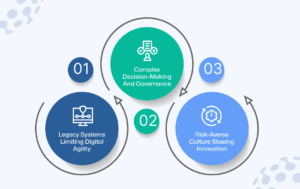
1. Legacy Systems Limiting Digital Agility
Legacy systems: Everything old-ish is new again? The legacy systems at all companies can’t go anywhere. They may be doing important work, but they are difficult to update or connect with modern technology. Those legacy lettermen systems can be expensive and cumbersome to replace, a shift that further involves investing in new software that people are predisposed to preferring what they already know.
Startups, on the other hand, start with current platforms. They develop apps on flexible, scalable technologies allowing fast development and continuous updates.
2. Complex Decision-Making And Governance
There are typically several layers of approval in enterprise organizations when it comes to technology investments. Decisions may be made by a combination of IT, finance, and compliance, as well as leadership teams. Though such structures help to mitigate risk, they can also slow progress. Even little projects can take months because of assessments and reviews.
And startups have fewer employees and work faster. Leaders can make fast decisions, try out new solutions, and change their strategies without long approval cycles.
3. Risk-Averse Culture Slowing Innovation
It’s hard for the incumbents to pivot and not play it safe. They operate organizations with large numbers of employees, partners, and customers, making changes that might upset workflows viewed as risky. This kind of risk aversion can hamper creativity and delay the rollout of automation, AI software, or new projects.
Most startups operate in weather climates where adaptation is required for survival. So they are more willing to test ideas, learn from the results, and make fast adjustments.
Practical Ways Startups Transform Faster
Startups enjoy structural advantages, but success depends on how they are exploited. Updating your business demands a crystal-clear sense of prioritization, concentrated planning, and the ideal combination of both technology and expertise. The below approaches are what startups can engage to achieve faster digital transformation in an organized and controlled manner.
1. Prioritizing High-Impact Use Cases
Startups gain by discovering domains where a digital solution can lead to a visibly measurable outcome. Rather than changing everything all at once, they concentrate on improvements that have a direct impact on growth, productivity, or customer experience.
An example of this is automating support through chatbots, leveraging machine learning to improve recommendations, or even adding dashboards so you can track performance. By focusing on high-impact use cases, startups ensure that the transformation remains pragmatic and relevant to the business.
2. Leveraging Technology Consulting Expertise
There are technical needs that startups can’t or don’t develop in-house. An experienced consultant partner can accelerate the speed of implementation and prevent expensive misses. Consulting assistance around AI development, cloud migration, system design, and automation planning is available.
Companies like Aqlix IT Solutions partner with businesses to develop strategic technology plans that are designed around long-term growth. With good advice and actual implementation, headwinds can turn into a tailwind for startups willing to adopt these advanced tools.
3. Automating Early For Operational Efficiency
Automation is the secret sauce for transformation encapsulation! Startups in their early stages that automate repetitive work can be much faster, reduce mistakes from manual labor, and increase reliability.
Automated processes Automate basic services such as data entry, customer onboarding, reports, and marketing workflows. And that’s because the early adopters can build you a good foundation from which to move and scale in the right way with less effort.
Scaling Transformation Without Losing Speed
Start-ups become bigger and slower and more complex. The more we grow, the more additional processes and teams and responsibilities give us an enterprise vibe. To stay nimble, startups must grow in a calculated manner to preserve maximum freedom and efficiency.
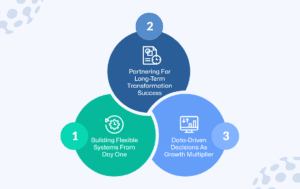
1. Building Flexible Systems From Day One
Without a firm technical foundation, long-term change is not feasible. Startups that build flexible platforms, meanwhile, can easily add on new features and technologies.
By combining a cloud infrastructure with modular design and API integration, we have built in flexibility to grow and adapt with changing needs. Agile infrastructure also allows machine learning and automation to be incorporated.
2. Data-Driven Decisions As Growth Multiplier
Transformation is all about data. Startups doing a good job of collecting and analyzing data can make smart decisions as well as quick strategy pivots.
Analytics tools can also help companies track things like customer behavior, operational performance, and market trends. A data-based approach. This will keep you comfortable in knowing that transformation is meeting current business needs rather than just guessing.
3. Partnering For Long-Term Transformation Success
As startups grow, transformation becomes more complex and is something that requires continuous improvement. Working with established technology partners also provides focus and direction.
Aqlix IT Solutions Empowering organizations to build digital ecosystems that scale with a structured framework of tech planning, AI integrations, and automation for companies looking for resilience while preparing themselves for future growth.
Conclusion
Startups have the upper hand in terms of digital and business transformation. Because they have no legacy systems to worry about, they are more flexible, and their infrastructure is newer, making them faster moving than larger corporations.
Sustainable change is made by establishing priorities, doing the right technical work, and making accurate use of data. With early automation and scalable systems, startups can keep their agility as they expand.
With the right strategy and advice, businesses can still evolve without losing momentum. About Aqlix IT Solutions assists companies in deploying organized IT solutions that, through progressive transformation and innovation, will be able to deliver long-term results.
Frequently Asked Questions
Why are startups able to transform faster than enterprises?
Startups have less legacy, smaller teams, and can make decisions faster. This lets them easily add new tech, automate workflows, and tinker with innovation. It is easier for them to double down on digital transformation because they are more agile and less resistant to change than their larger counterparts.
How do legacy systems slow down enterprise transformation?
Legacy systems typically are tightly embedded in the day-to-day running of things and therefore are hard to replace or upgrade. For organizations, risk and disruption associated with new technologies are to be approached with caution. This slows progress on transformation initiatives, given that changes must be planned, tested, and coordinated across numerous departments and systems.
What role does automation play in startup growth?
Automation allows startups to handle time-consuming tasks more efficiently and reduce manual errors, so they can save time and make money. By managing responsibilities such as data management, reporting, and customer interaction, it enables effective operations. As a startup scales, automation helps maintain consistency and allows teams to focus on innovative and strategic work.
How can startups maintain speed while scaling operations?
Startups are getting better by building flexible systems, embracing cloud-based infrastructure, and making data-driven decisions. Consideration of scalability at the outset can avoid the bottlenecks. Continual review of the process ensures that growth does not add unnecessary complexity and slow down transformation over time.
Why is technology consulting important for digital transformation?
Technology consulting offers recommendations as to the right tools, how to plan for system architecture, and ensuring successful implementation of new technology. It saves startups from making common errors and gaining traction faster. With expert guidance, digital transformation strategies can be kept on track with business objectives and long-term growth plans.