

Accuracy, security, and reliability are necessary for financial transactions. Traditional systems often fail to scale and meet organizational needs in areas such as volume of transactions, data and compliance, it says. Cloud-based solutions have evolved as a feasible source of secure and scalable financial management systems.
Now, cutting-edge cloud apps help accounting and finance teams get the insights, automation, and data security to thrive. From origination and transaction platforms to regulatory reporting, cloud infrastructure for the financial industry can be used for a wide range of activities.
Companies are also leveraging technologies such as machine learning and intelligent automation in the cloud environment for greater efficiency and enhanced risk controls. When architected properly, cloud makes security and operations better.
Security Challenges in Financial Operations
Commercial information is extra sensitive and very often the target of hackers and swindlers. A lot of companies are struggling with disjointed, outdated software that doesn’t have sufficient security coverage. It exposes them to even more risk and hides performance.
Dealing with these concerns is about applying a disciplined approach to going digital and having secure cloud apps, as well as planned infrastructure.
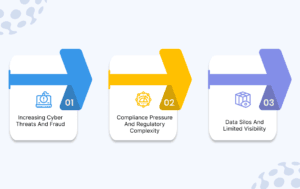
1. Increasing Cyber Threats And Fraud
Financial transactions are businesses that become typical victims of cyberattacks. All that sensitive information, payment details, financial records and more make for a rich hunting ground for online scammers.
Legacy security methods that emphasize perimeter security are inadequate. Contemporary security threats require layered security solutions, including encryption, persistent monitoring and robust identity management.
Cloud providers have native security options to secure data throughout its journey. Sophisticated analytics applications can detect when usage patterns are “abnormal” and help lower the potential for fraud risk before it blows up.
2. Compliance Pressure And Regulatory Complexity
Financial transactions are established to abide by strict guidelines with respect to both privacy concerns and accuracy of recording, as well as monitoring of a transaction. The risk of errors is even higher while handling compliance through manual means or legacy systems.
Key value proposition Cloud systems are a single place to for all financial data keeping tracking and auditing a snap. Automatic compliance surveillance enhances transparency and removes administrative burden.
3. Data Silos And Limited Visibility
A lot of the organizations will be using different systems for accounting, payments, reporting, or customers. These isolated platforms form data silos that reduce visibility and slow decision-making.
Cloud applications bring together several systems into one platform. Consolidated data via a platform gives open teams the ability to access the most updated numbers rapidly and use them to make clear decisions.
Deeper, more expansive transparency enables better forecasting, risk management and performance analysis throughout financial activities.
Building Secure Financial Cloud Applications
Creating financial applications on the cloud that are secure will take careful planning and a solid technical base. Reliability and Data Protection What matters After the initial phase of the SDP implementation, organizations should pay heed to architecture and system integration as well as risk management in order to ensure reliability and data protection. Migration patterns help to move forward with modernization as well as continued business operations.
1. Custom Software Development For Finance
The operational requirements are not always met with commercial, off-the-shelf financial software. A custom cloud application allows the organization to be nimble in building solutions that match how they work and comply.
On the other hand, custom development can encompass automated reconciliation and intelligent reporting as well as integration with machine learning models for predictive analysis. You can also implement chatbot function that enables customer to communicate one to one for financial services.
Aqlix collaborates with companies to create custom cloud applications that meet business requirements and compliance mandates ensuring a long term ability for change.
2. Secure Data Architecture And Integration
Security of financial data relies on architecture that can protect information in connected systems. Data protection while in storage and transmission through encryption, access controls and secure APIs is maintained in cloud environments.
By connecting banking systems, company systems and payment gateways together on a unified cloud platform, data accuracy is enhanced while eliminating the need for time-consuming data entry. And well designed architecture also supports the ability to do real time analytics, and automation.
3. Migration Strategy Without Operational Risk
How can I migrate the financial systems onto the cloud in a controlled manner? With that, organizations must assess their current infrastructure, review key workflows and slowly transition services to not cause major disruption.
Testing and observation of each stage bring about system security and data reliability. A well-planned migration reduces operational risks and provides new cloud capabilities.
Long-Term Value of Secure Cloud
Adopting the cloud to solve today’s security, performance, and growth challenges. Businesses that empower themselves by building upon a secured cloud infrastructure lay the groundwork for resiliency and innovation in financial transactions.
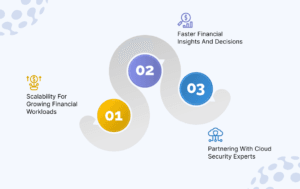
1. Scalability For Growing Financial Workloads
Financial transaction volumes often fluctuate. So in peak times, performance and reliability for a legacy infrastructure could be put under severe stress.
Cloud platforms offer dynamically scalable resources, which scale with demand. This scalability provides a predictable system performance while allowing the organization to grow without making costly infrastructure replacements.
2. Faster Financial Insights And Decisions
Having centralized, live data at your fingertips enhances financial decision-making. The cloud platforms have dashboards and analytics tools for visibility on performance and trends.
Historical data can be explored by machine learning models to detect patterns and improve forecasting precision. Vital feedback allows leadership teams to act accordingly on operational changes and market movements.
3. Partnering With Cloud Security Experts
Setting up enterprise-grade cloud platforms Securely configuring cloud infrastructure requires compliance, architecture, and integration skills. Experienced tech teams work with organizations to create secure and effective environments.
Aqlix works with businesses to build secure cloud applications with thoughtful planning, tailored development, and integration solutions. Focused on delivering the power of transformational technologies to businesses, the emphasis is continually on developing secure and scalable systems that support growth.
Conclusion
Our financial systems need to be safe, stable, and scalable. The flexibility and security to successfully manage today’s state-of-the-art financial processes are personal loan combo Cloud services that offer you.
Aqlix contributes by supporting organizations in building secure cloud solutions tailored to financial requirements. By leveraging technical knowledge and a methodical approach, businesses can strengthen operational resilience and be ready to grow again in the future.
Frequently Asked Questions
How do cloud services improve security in financial operations?
Cloud solutions have built-in security such as encryption, access control and ongoing monitoring. These measures keep sensitive financial information safe from cyber-attacks and unauthorized viewing. Centralized systems preventing unusual activities and detecting irregular behavior early, therefore enhancing and keeping the system secure, lowering the possibility of data leaks.
Are cloud based financial systems suitable for regulatory compliance?
Many available cloud platforms are able to facilitate compliance in that they offer centralized data Management, audit trails and automated reporting tools. This makes it easier for companies to be compliant and stay transparent. Organized access controls and protected storage also ensure compliance with the financial industry’s rules.
What is the role of machine learning in financial cloud applications?
Applications of machine learning for financial services Application 1: Analyzing financial data Financial institutions use interactive analyses of their past and present to uncover patterns that can be used to make predictions or make other decisions. It helps automate repetitive part of the job, and informed decision making based on predictive insights. When built into cloud systems, machine learning can increase efficiency and enhance the entire financial system.
How can organizations migrate financial systems to the cloud safely?
A phased migration approach can minimize the risks of cloud adoption. This means evaluating existing systems, determining the essential processes and testing at each step of deployment. Proper planning and a well-executed transition to cloud based financial management promotes data integrity, business continuity — and peace of mind.
Why is custom software development important for financial cloud solutions?
Custom software development enables businesses to tailor applications that mirror their financial processes and business needs. Custom approaches allow for integration with legacy technology, as well as increased productivity and security. This elasticity guarantees that the cloud-state is in line with long term business objectives and changing financial requirements.

