
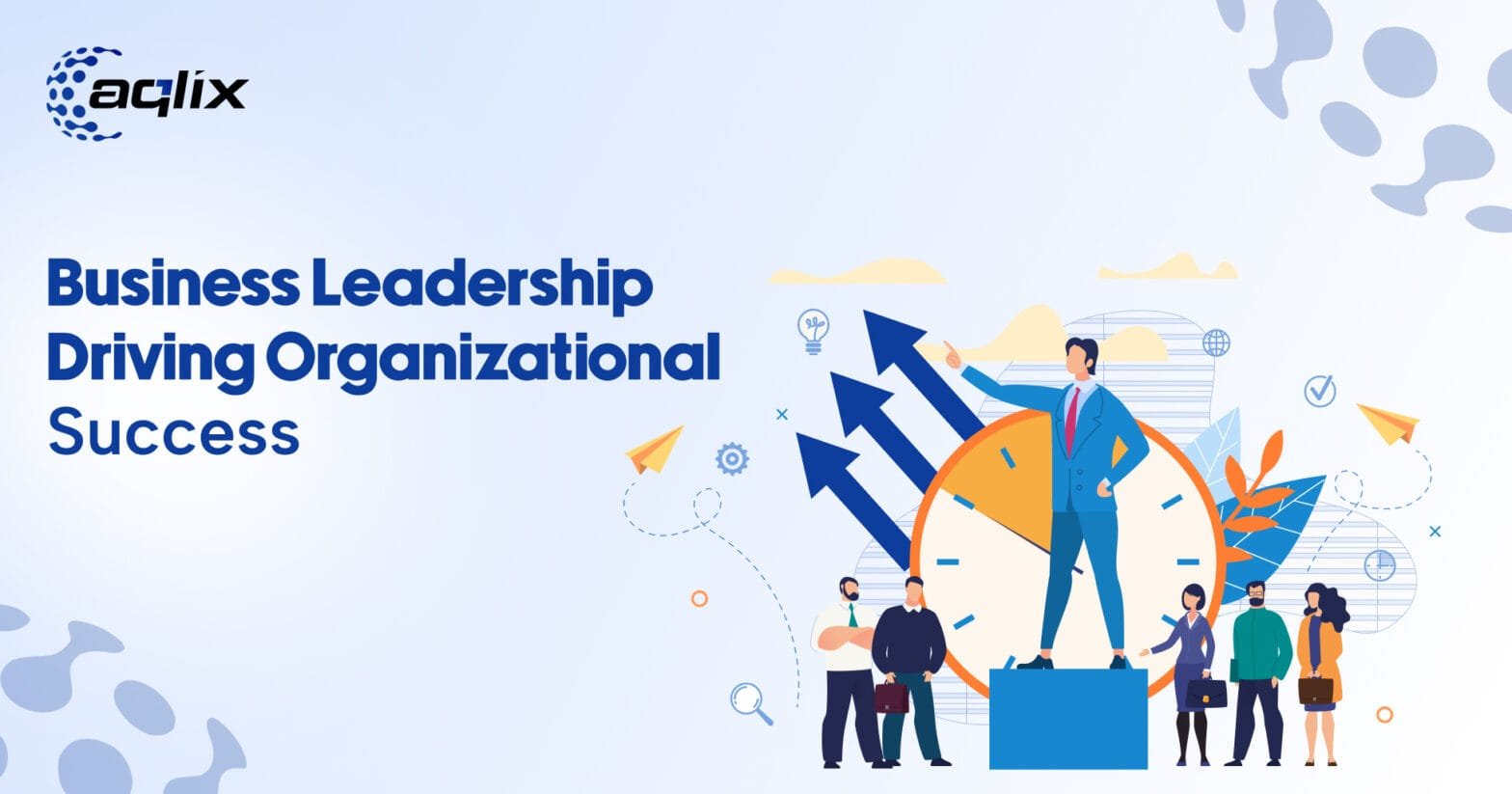

The modern leadership goes beyond power or pecking order. It’s about empowering teams, promoting innovation and coaching companies out of ambiguity. Today’s leaders need to know the human logic as well as the digital logic in order to be effective.
Leaders, as organizations embrace new technologies, the role of leadership increasingly becomes one where they work closely with tech experts to help these decision-makers understand and manage change and shape their technology investments around clear business goals.
Core Leadership Attributes That Shape Success
Great leadership starts with qualities such as strategic thinking, communication and flexibility. These characteristics enable leaders to lead teams, earn trust and deliver consistent results. Emphasising these features will lead to the long-term survival of the organization and its own growth.
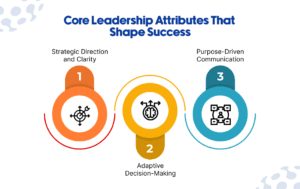
1. Strategic Direction and Clarity
Great leaders have inherent clarity about what they want and where they’re headed. They put long-term goals into practical action plans that direct teams from several departments. By looking ahead, they help their organizations be proactive instead of reactive.
Strategic clarity also ensures resources are used efficiently and that teams can connect the dots between their work and broader organization-level results.
2. Adaptive Decision-Making
Decision agility is crucial in today’s rapidly changing business world. Leaders need to make decisions fast, calculate risks and be willing to act with confidence in an environment of extreme uncertainty. This isn’t a mandate to rush decisions but instead an admonition to utilize good data, experience and intuition in order to make timely responses.
Insightful analytics platforms powered by technology and advisory support are fundamental in building decision making confidence.
3. Purpose-Driven Communication
Transparency, along with uniformity of message, engenders trust and provides the organization with focus. Leaders who share purpose, expectations and their progress can inspire teams and decrease uncertainty.
It enables collaboration through times of change too, making sure employees understand why things are changing and how they can contribute to success.
Leadership Practices That Enable Organizational Growth
Powerful leadership starts with strategic thinking, efficient communication, and the capability to adapt. At Aqlix, these traits empower leaders to guide teams with clarity, build trust, and deliver measurable results. With a strong emphasis on these attributes, organizations can achieve lasting institutional stability and sustainable growth.
1. Encouraging a Culture of Innovation
Leaders who foster experimentation and learning create an environment where innovation can flourish. “Rather than being afraid of failure, great leaders embrace it as part of their growth and development. They build buffers for teams to experiment with ideas, take on new tools and refine processes.
Leaders who accept innovation empower organizations to be more agile, become more efficient, and provide more value for customers.
2. Performance Alignment and Accountability
Measurable Avanti-X-Quest Success is sustainable with clear performance expectations. Leaders who set and help others develop measurable targets from vigilant priorities don’t micromanage, they hold folks accountable.
Routine check-ins, clear metrics and efficient feedback let the team keep their eyes on the prize and iterate to get better.
3. Developing Future Leaders
Talent development is a critical aspect of an organization’s ongoing success. These are leaders who create teams that are not just “battle hardened” but strengthened through training, mentoring and skills development.
Digital learning platforms and structured coaching foster up-and-coming talent, ensuring consistency and independence of individual roles.
Industry Perspectives on Leadership Impact
Other sectors value leadership differently, whether it’s tech innovation driven by custom software development or efficiency in healthcare. A child’s education is also shaped by the quality of leadership, which in turn affects outcomes, employee engagement, and customer satisfaction. Emphasizing industry-specific needs allows leaders to develop strategies that deliver meaningful, measurable impact.
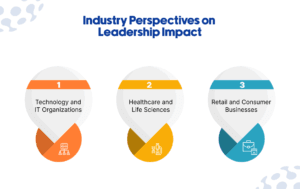
1. Technology and IT Organizations
In technology-based businesses, management is a key factor in the success or failure of products being released to market and the synergy within teams. Agile leadership and cross-functional teams are fast innovative motor gears.
The direction from strong leadership guidelines can keep both speed and quality in check so growth is sustainable.
2. Healthcare and Life Sciences
Competing wellbeing and drug organizations’ organization administration enormously impacts good services quality as well as tasks that are reasonably immediate. The value of strategic leadership in ensuring good coordination, regulation and patient orientation is emphasized.
Utilizing digital systems and analytics allows leaders to see more, do more, and more accurately make the right decisions across all aspects of operations.
3. Retail and Consumer Businesses
Retail executives are under relentless pressure to keep up with shifts in consumer behavior. Successful leadership involves a combination of customer intelligence, supply chain efficiency and digital engagement tactics.
And through strong leadership we can ensure maximum consistency, yet give our organisations the flexibility to adapt in reaction to market forces.
Managing Leadership Challenges in Evolving Environments
Crises of leadership can stem from scarcity, cultural factors and revolutionary dynamics. Leaders have to strike a balance between these conflicting factors.
Key strategies are being transparent, doing change in stages and working with third party advisors. Technology consulting is an important component in aiding leaders to evaluate readiness, manage risk and quantify ROI.
Instead of perceiving problems as barriers, successful leaders see them as opportunities to improve processes and make adjustments the game plan.
Preparing Leaders for the Future
Future-ready leadership requires continuous learning. In an era when technology, markets and workforce desires are ever-changing, leadership needs to be adaptable.
Continuing to learn and mentor, and News exposure keep leaders relevant. When you invest in developing leaders, your organization can more effectively navigate uncertainty and capitalize on new possibilities.
Conclusion
Business leadership continues to play a leading role in driving successful organisations amid the complex web of business. Leaders who can bring together strategic insight, people-focused management approaches and technology savvy build more resilient, high performing organizations. Using technology advisory and by making intelligent decisions, businesses can make a leader’s vision a reality for the long term. By working with Aqlix, leaders connect strategy, technology and execution for sustainable impact.
Frequently Asked Questions
How does leadership contribute to organization success?
The video places an emphasis on leadership, as it influences strategy, culture and execution within a business. Strong leadership influences productivity, innovation and long-term performance by aligning goals, inspiring teams and guiding decision making.
How can technology consulting help business leaders?
Technology consulting to help leaders make sense of what digital options are available, their impact on the business and how they can be implemented in line with strategic goals. It brings order to the chaos, minimizes exposure to risk, and facilitates sound decision-making.
Why is it important for a leader to be communicative?
Transparent communication creates trust, synchronizes teams, and minimizes wonder. It’s leaders who effectively communicate purpose and expectations that build engaged teams and work to ensure smooth transitions within their organization.
How can leaders handle resistance to change?
Leaders can address resistance by engaging teams in the change early, communicating the benefits of the change, offering training and ensuring a high degree of transparency during transition.
What is your take on leadership-led transformation and what does Aqlix do to support that?
Aqlix brings in technology consulting that enables leaders and entrepreneurs to set the vision & goals, assess digital opportunities, deploy solutions for sustainable organizational growth.

